


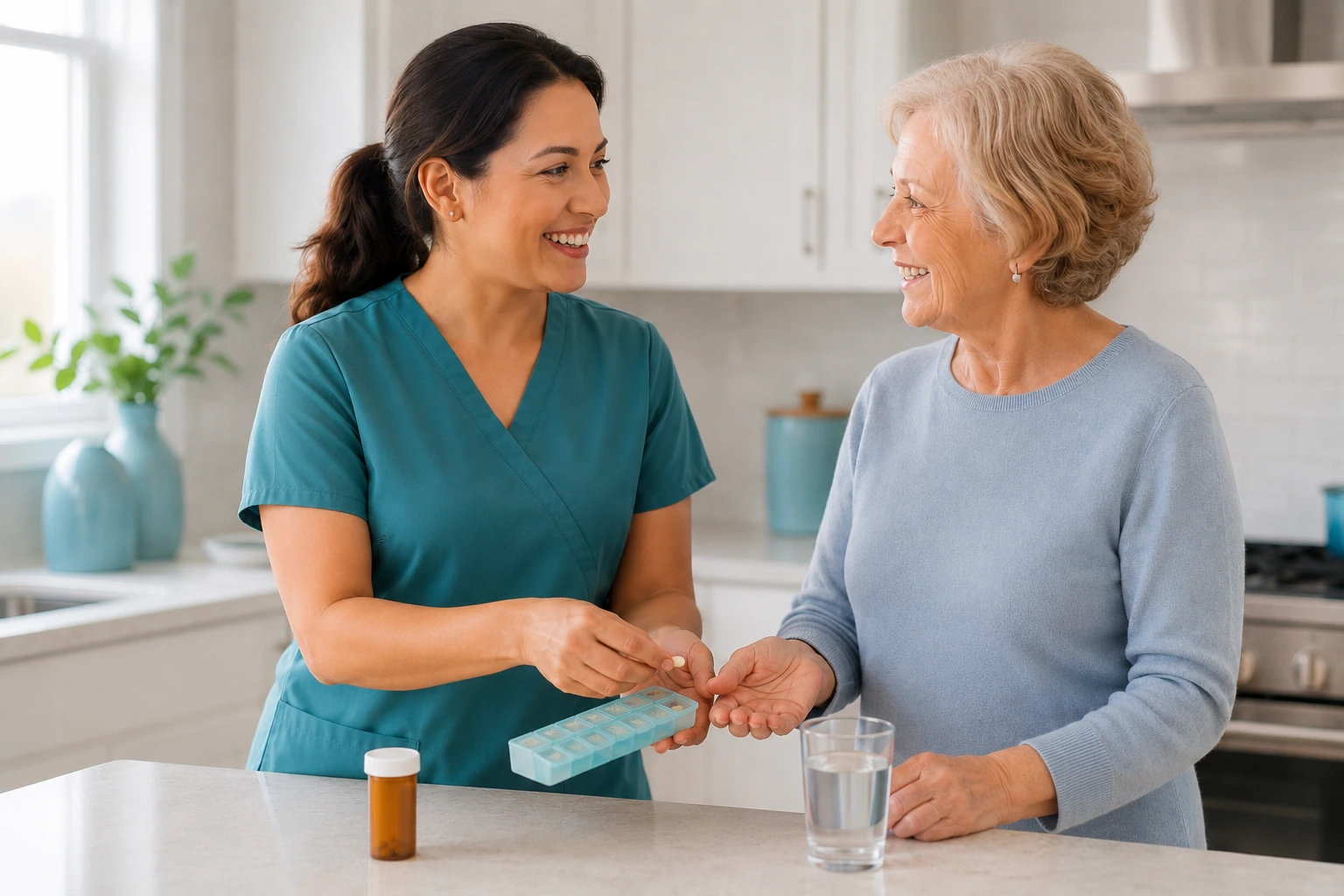
A home health aide helps your loved one with daily personal care and routine support, such as bathing, grooming, meal preparation, errands, light housekeeping, reminders, and safe movement during the day. This kind of support can be helpful when your loved one wants to stay in a familiar setting but needs extra assistance with parts of daily life.
If you are caring for an aging parent, spouse, or loved one, you may be trying to understand what kind of help is needed. Some days may feel manageable. Other days may bring concerns about hygiene, meals, mobility, or whether your loved one is spending too much time alone.
A home health aide can help fill those daily support gaps with practical, respectful assistance. At Global Healthcare Services, we understand that care should feel personal, steady, and centered on what helps your loved one feel comfortable.
If you notice your loved one having a harder time with bathing, grooming, meals, errands, or daily routines, it may be time to consider private home care services in Massachusetts.
What a Home Health Aide Does
A home health aide supports your loved one with everyday tasks that may have become tiring, unsafe, or difficult to manage alone. The focus is usually on personal care, household routines, companionship, and daily assistance.
Your loved one may not need full-time care. They may only need help during certain parts of the day, such as morning routines, meals, errands, or evening preparation. A home health aide can provide support during those moments so your loved one does not have to manage everything alone.
This type of care can be especially helpful when small tasks have started taking more energy than before. Something as ordinary as bathing, dressing, or preparing breakfast may become stressful when your loved one feels tired, unsteady, or worried about falling.
The support should fit the person. Your loved one may want help with some tasks while continuing to handle others independently. That balance matters.
Help With Bathing, Grooming, and Dressing
A home health aide can help your loved one with personal care tasks such as bathing, grooming, dressing, and basic hygiene. These routines can feel personal, so they should be handled with patience, privacy, and respect.
You may notice that your loved one is wearing the same clothes more often, avoiding showers, skipping grooming, or feeling nervous in the bathroom. These changes can happen for many reasons. They may feel unsteady, tired, stiff, or unsure about moving safely.
Support with personal care does not mean taking away independence. In many cases, it helps your loved one keep a routine that already matters to them. An aide may assist with getting ready for the day, choosing clothing, brushing hair, or making bathing feel less stressful.
The tone of care matters. Your loved one should feel supported, not rushed or embarrassed. A calm presence can make personal care easier to accept.
Support With Meals, Errands, and Light Housekeeping
A home health aide may help with meal preparation, errands, and light housekeeping so your loved one’s day feels more manageable. These tasks may seem small, but they can shape comfort, safety, and routine.
You may notice that your loved one is eating less, relying on snacks, skipping meals, or letting groceries run low. They may still enjoy choosing what to eat but struggle with shopping, cooking, or cleaning afterward.
Help with meals can support a more steady routine. An aide may assist with simple meal preparation, kitchen cleanup, or making sure your loved one has what they need during the day.
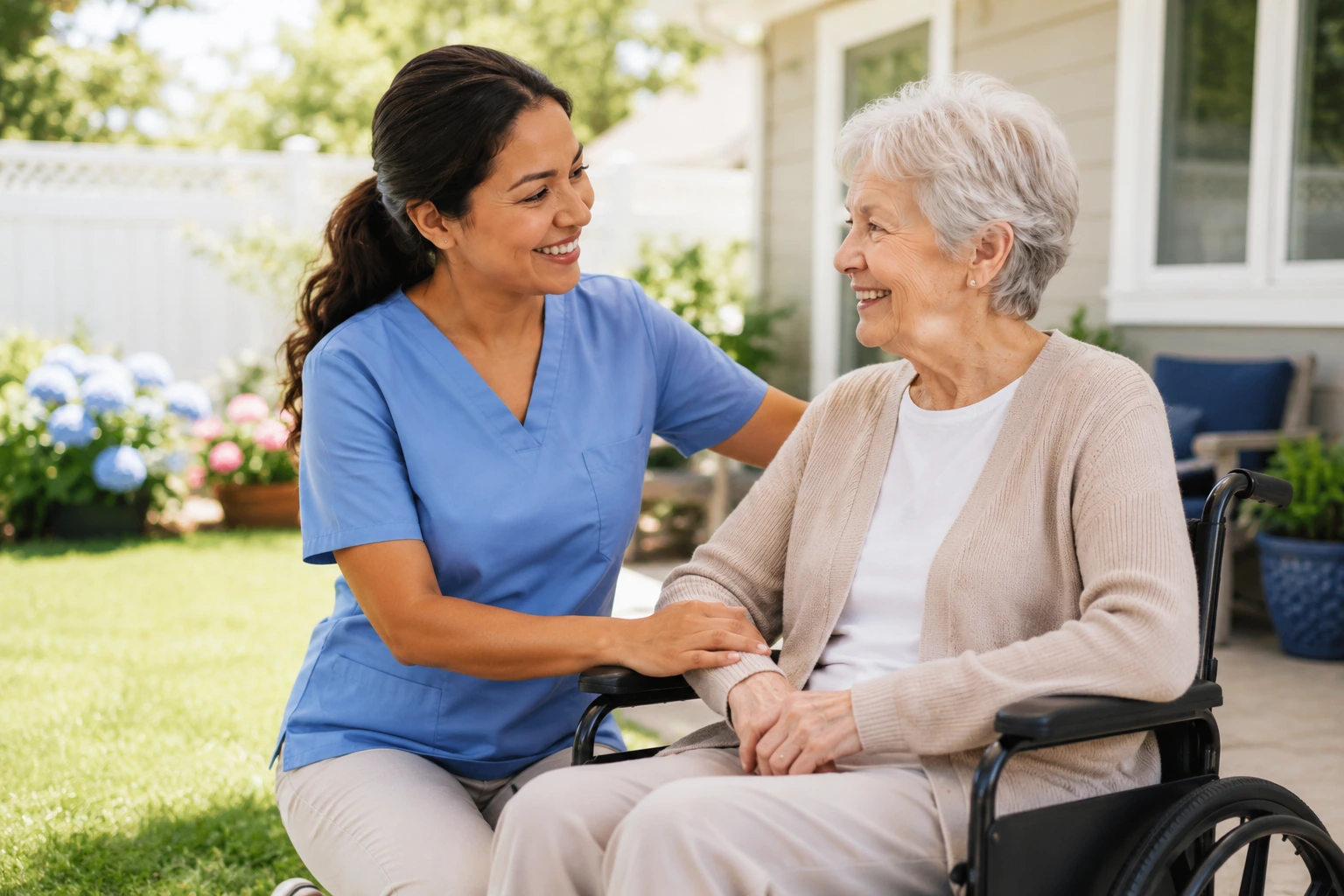
Errands and light housekeeping can matter too. A clean space, fresh laundry, organized belongings, and help with shopping can reduce daily stress. These tasks can become harder when your loved one has limited energy, mobility changes, or trouble keeping up with household routines.
When your loved one needs help with bathing, grooming, exercise, meal preparation, errands, or light housekeeping, home health aide support can make those daily routines easier to manage.
Medication Reminders and Daily Routine Support
A home health aide may help your loved one stay on track with daily routines, including reminders that support structure throughout the day. Depending on the care arrangement, support may include reminding your loved one about scheduled medications, meals, appointments, hydration, or daily activities.
This does not mean the aide replaces medical advice or manages medication decisions. Medication questions, dosage changes, and health concerns should always be handled by the appropriate healthcare professional.
For many families, reminders are still a meaningful part of daily support. You may worry that your loved one forgot a dose, mixed up appointment times, or lost track of what they planned to do. A steady routine can help reduce confusion and give your family more peace of mind.
Reminders can be simple but useful. An aide may say, “It is time for your afternoon reminder,” help your loved one check a written schedule, or support the routine your family has already set up with guidance from healthcare providers.
At Global Healthcare Services, we keep daily support centered on your loved one’s needs, comfort, and routine.
Companionship and Comfort During the Day
A home health aide may provide companionship while helping your loved one feel less alone during the day. For some older adults, isolation becomes one of the hardest parts of aging.
Your loved one may spend long hours without conversation. They may stop going out as often or lose interest in routines they once enjoyed. A friendly presence can make the day feel lighter.
Companionship may include conversation, shared activities, walks when appropriate, help with errands, or simply being present during daily routines. This support can be especially valuable when you cannot visit as often as you would like.
Companionship is not just about passing time. It can help your loved one feel seen, heard, and connected. A familiar routine with a trusted aide may bring comfort to both your loved one and your family.
How Home Health Aide Support Fits Into Daily Life
Home health aide support can fit into the parts of the day when your loved one needs the most help. Care does not always have to begin with long hours or major changes.
Your loved one may need morning help with bathing and dressing. They may need midday meal support, help with errands, or light housekeeping once or twice a week. They may need companionship during the hours when they are usually alone.
Your loved one may need help with one part of the day while still managing other routines well. At Global Healthcare Services, we provide personalized healthcare solutions that reflect the kind of support they need from day to day.
A personalized home care plan can help match aide support to your loved one’s routine, comfort level, and changing needs.
The best support should feel practical and respectful. Your loved one should still have a voice in their care, their schedule, and their preferences whenever possible.
What a Home Health Aide Does Not Replace
A home health aide does not replace a nurse, physician, therapist, or emergency medical care. This distinction matters because many families are unsure where personal care ends and medical care begins.
A home health aide may assist with daily living tasks, reminders, personal care, meals, errands, light housekeeping, companionship, and safe routines. Skilled medical care, medication administration, wound care, health monitoring, and clinical decisions should be handled by licensed professionals when those services are needed.
If your loved one’s needs become more complex, your family may need to speak with a healthcare professional about the right level of care. In some situations, non-medical support and skilled care may both be part of a broader care plan.
Clear expectations help everyone. When you understand what a home health aide does, you can make better decisions about the kind of support your loved one needs now and what may need to change later.
Frequently Asked Questions
What does a home health aide help with?
A home health aide may help with bathing, grooming, dressing, meal preparation, errands, light housekeeping, companionship, mobility support, and daily routine reminders. The exact support depends on your loved one’s needs and care plan.
Is a home health aide the same as a nurse?
No. A home health aide focuses on personal care and daily support. A nurse provides skilled medical care when that level of support is needed. If your loved one has medical needs, speak with the appropriate healthcare professional about the right care plan.
Can a home health aide help with medication reminders?
A home health aide may provide reminders as part of a daily routine, depending on the care arrangement. Medication decisions, dosage changes, administration, and medical questions should be handled by licensed healthcare professionals.
A Helpful Next Step
Learning what a home health aide does can make care decisions feel less confusing. You do not have to wait until every routine becomes difficult before asking questions. If your loved one is starting to need help with personal care, meals, errands, reminders, or daily routines, having a conversation now may help your family plan with more confidence.
If you think your loved one may benefit from home health aide support, you can set an appointment to talk with our team about your family’s needs and available care options.